
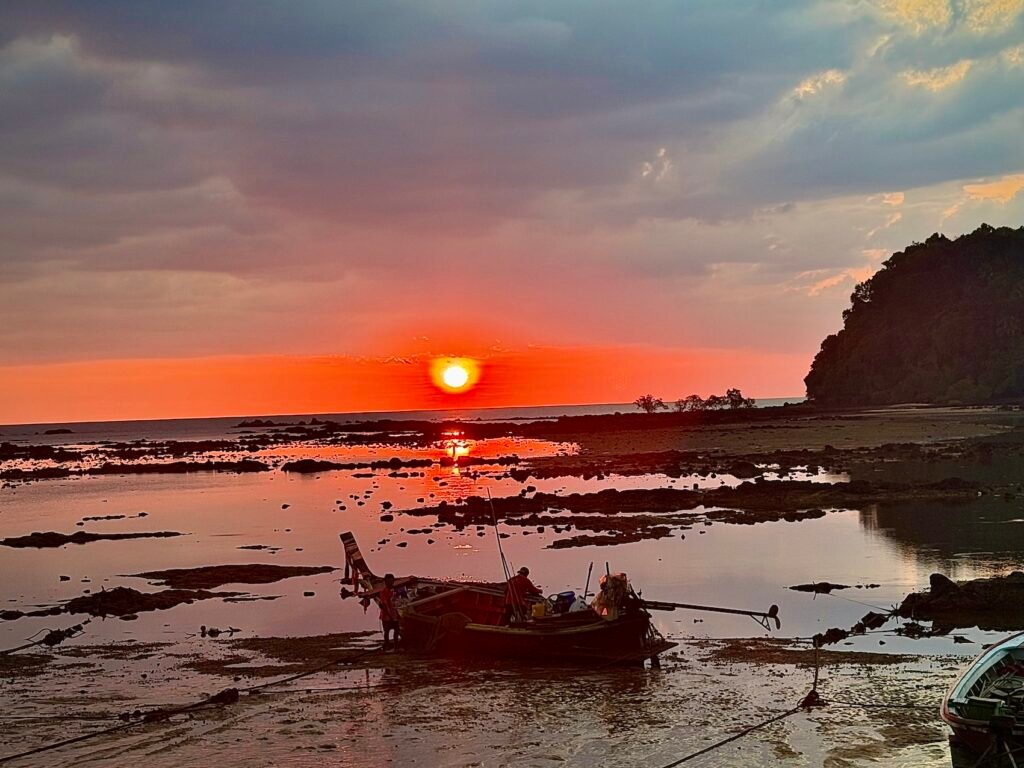
Koh Libong is the largest of the Paradise islands off the coast of Trang province in Thailand – and one of the few with an established local population. In this travel guide to Koh Libong, I’ll outline how to reach the island, major points of interest, popular activities, as well as where to stay. As fewer tourists make their way to Koh Libong, the prices on the island are often lower, and the beaches are often deserted! It is also much cheaper to get a beautiful beachfront bungalow on Koh Libong. The beachfront bungalow I got at the Le Dugong Libong resort likely would have cost 2 – 3X more on Koh Kradan or Koh Ngai.
This post includes affiliate links. If you make a purchase via one of these links, I may receive a small percentage at no extra cost to you.
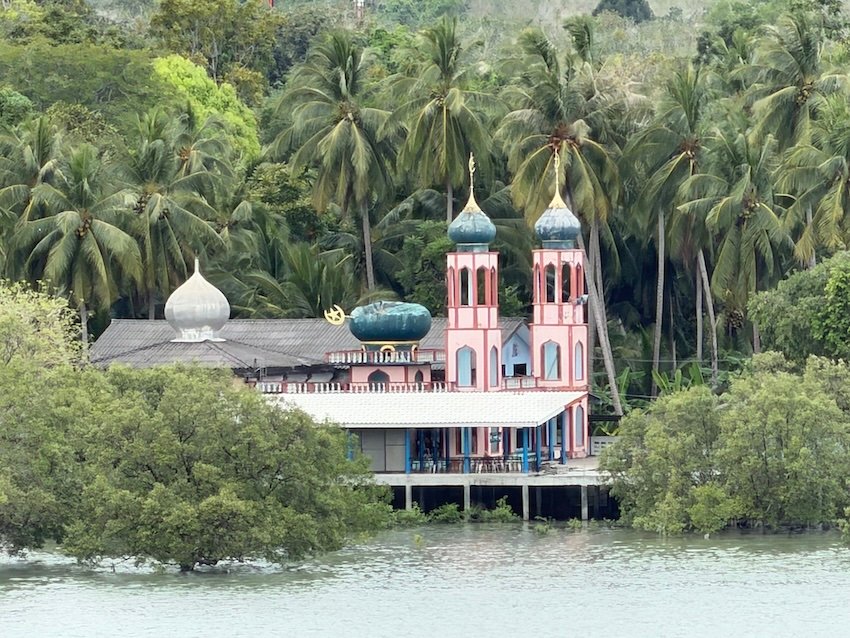
While Koh Libong’s beaches will not be quite as breath-taking as those of Koh Kradan, and Koh Ngai, the island makes up for it by offering a more authentic experience by not being solely a tourist island. There’s a friendly Muslim population that lives on the island, and one of their primary industries is fishing. Accordingly, Koh Libong is one of the best places among the Trang Islands to get fresh seafood at low prices. Unlike “tourist islands” like Koh Kradan and Koh Ngai, the main industry on the island is not tourism, but a variety of other industries and ways of life that were established well before tourists started coming to the island.
Dugong Viewing
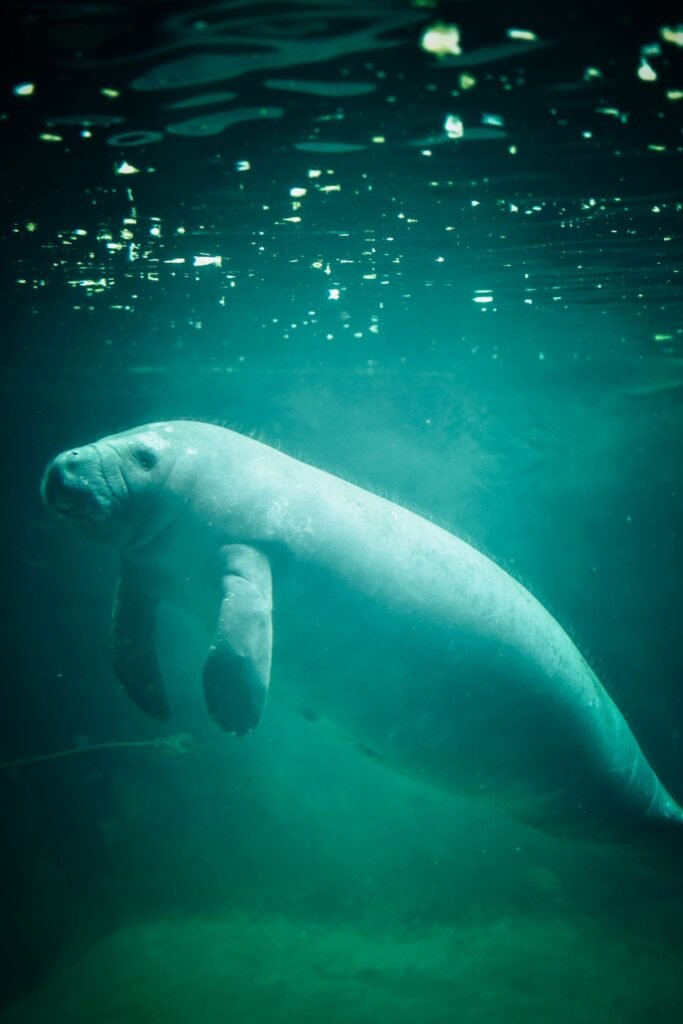
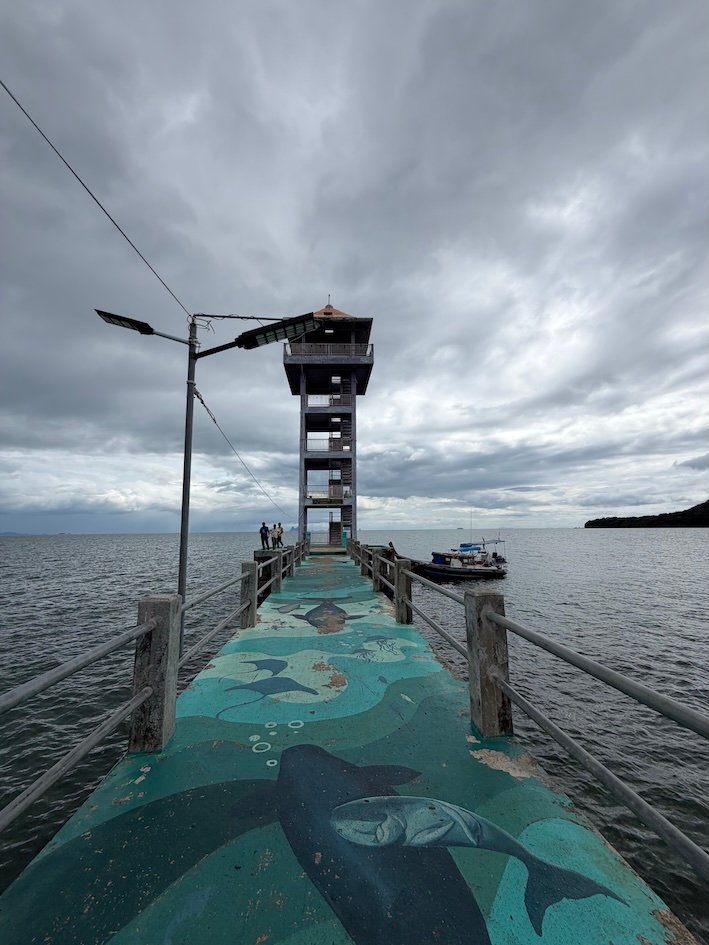
Beyond enjoying the refreshingly deserted beaches – one of the things that Koh Libong is famous for is being the main feeding areas for 75% of Thailand’s Dugong population. Dugongs are gentle marine mammals resembling manatees that feed on seagrass. Boat tours to go see the Dugongs are commonly booked with your resort once you arrive on the island, or at the dock. I would recommend booking through your hotel or resort – as they would ensure reputable providers. The costs are determined by boat – so the more people you can get on the boat with you, the less it would cost. A boat heading for the Dugong seagrass area on the island and will search for about 1.5 – 2 hours, will typically cost about 1500 Baht. Alternatively you can just take a tuk-tuk to the Dugong Tower which overlooks the seagrass area and try your luck that way. Tuk-tuk rides nearly anywhere on the island will run you about 50 – 100 Baht depending on where you are starting off from.
In recent years, environmental degradation as resulted in a reduction in the amount of seagrass in the traditional feeding areas for the Dugongs of Libong island. This has meant that they now feed in more dispersed areas. My resort told me that you have a much better chance of seeing the Dugongs if you book a boat that will also visit Koh Lao Liang, as the boat will traverse a greater feeding area, and you get to visit a stunning uninhabited island in the process. The boat cost for such an excursion which typically goes for about 3-4 hours is 2500Baht.
Dugong Cave (Point Dugong)
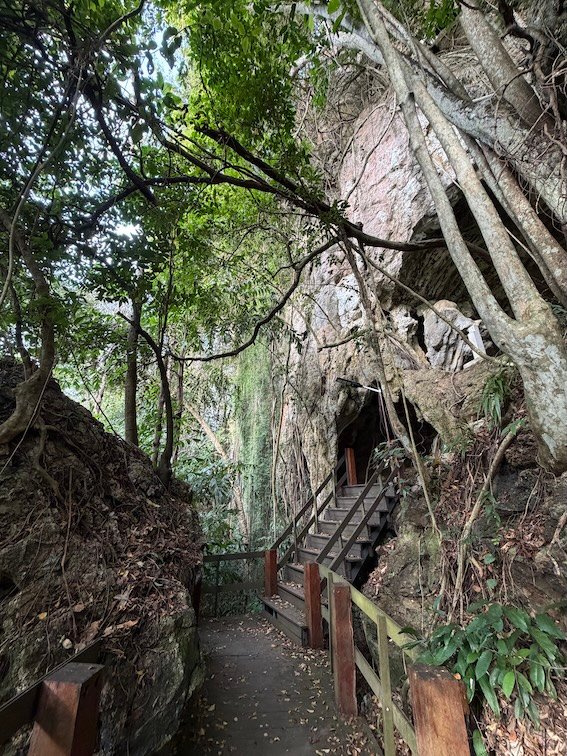
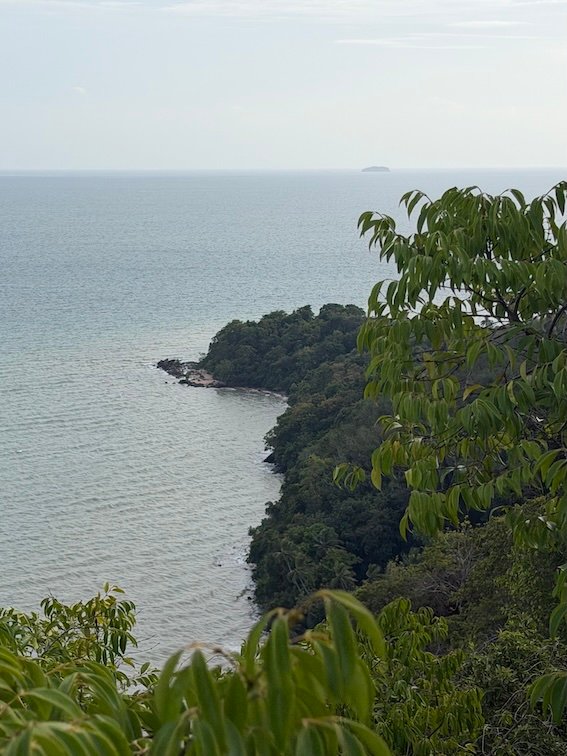
One of Koh Libong’s unique attractions is Point Dugong (also known as Batu Puteh), a rugged limestone outcrop with caves and elevated viewpoints overlooking the Andaman Sea. Reaching the viewpoint is an adventure in itself, with a steep approach and a route that takes you through dramatic rock formations before opening out to views of the surrounding coastline and turquoise waters. Although you might be lucky enough to spot a dugong from above, sightings are never guaranteed, so take your time to enjoy the spectacular scenery even if these elusive sea cows remain out of sight. Check local conditions before setting off, as access can be steep and potentially challenging. Park entry: 600Baht for foreigners (only collected if there is a park ranger at the entry kiosk).
Stone Bridge (Saphan Hin)
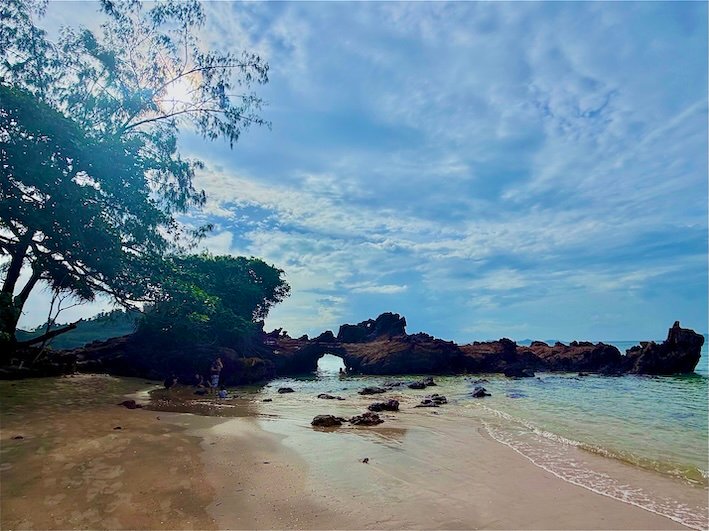
Tucked away on Koh Libong’s northern coastline, the Stone Bridge (Saphan Hin) is a fascinating natural rock formation sculpted by the relentless action of the sea. At first glance,it looks like an enormous dark boulder resting on the shore, but look a little closer and you’ll discover a natural arch beneath it, creating the appearance of a bridge stretching out towards the water. The surrounding beach is wonderfully peaceful, with scattered rocks and lush greenery providing a beautiful backdrop for exploring or simply enjoying the island’s laid-back atmosphere. It’s best to visit around low tide, when the arch is most clearly visible, and sunset can make for particularly lovely photographs if the timing is right. Getting there involves a short walk along a trail through the trees, making this a worthwhile little detour when exploring the quieter corners of Koh Libong.
Muslim Stilted Fishing Village
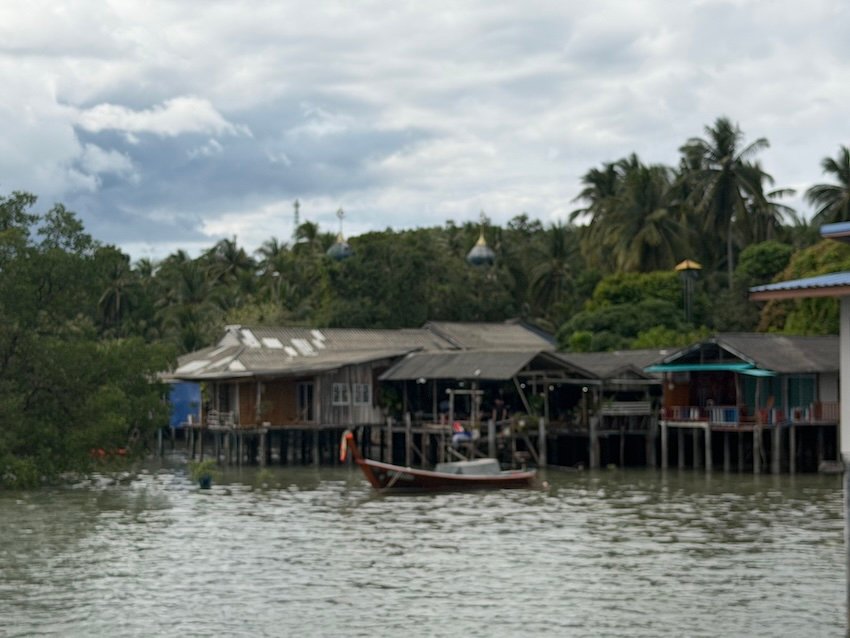
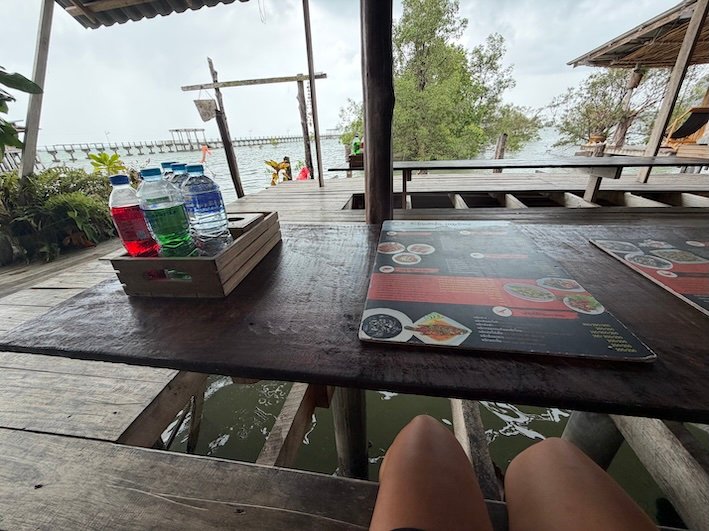
The traditional Muslim stilted fishing village on the East side of the island by the Dugong tower is well worth a visit. See unique houses built over the water on stilts and enjoy an excellent seafood meal at one of the restaurants near the village. This is the area of the island where you can find the least expensive accommodations – just don’t expect a sandy beach like you get on the west-side resort area of the island.
Other activites
In addition to Dugong watching, Koh Libong is great for a variety of water activities such as kayaking, SUPing and snorkeling (although there is not much of a reef on the island).
If you’re staying on the stretch of resorts on Lang Khao beach, you can walk over to the small uninhabited island at low tide. There is not much to see on the little island but I always take the opportunity to walk to an island when the opportunity is there. Be sure you walk back before the tide gets too high! Make sure you wear water shoes or sandals as there is broken coral and other debris on the walk.
Accommodations
Tourist accommodations on Koh Libong are centered in two main locations on Koh Libong – the West side beach area, and the Muslim fishing village on the East side of the island. The West side of the island has a very long beach with many mid-to-high end beachfront bunglow type accommodations. The East side of the island around the Muslim fishing village, does not have a much of a beach – more like tidal mudflats which are unsuitable for sunbathing/swimming, but here is where you can find stilted overwater bungalow type properties – many which feature beautiful waterfront balconies. The fishing village properties are among the lowest cost on the island, and are amazing value for money. There are no beaches by the East side of the island, but the properties with the overwater balconies more than make up for it.
Budget
The RabeangPhan Homestay Libong is an overwater property on the Muslim Fishing village on the East Side has seaview rooms for rent (approximately $20USD per night – incredible value for money!) that gives you a glimpse into local life on Koh Libong, as well as easy access (5 minute walking distance) to the Dugong tower.
The Baan Huaruea Homestay is another property in the Muslim Fishing village that features overwater balconies with open-air bathtubs. Nights start at ($35USD per night).
Mid-Range
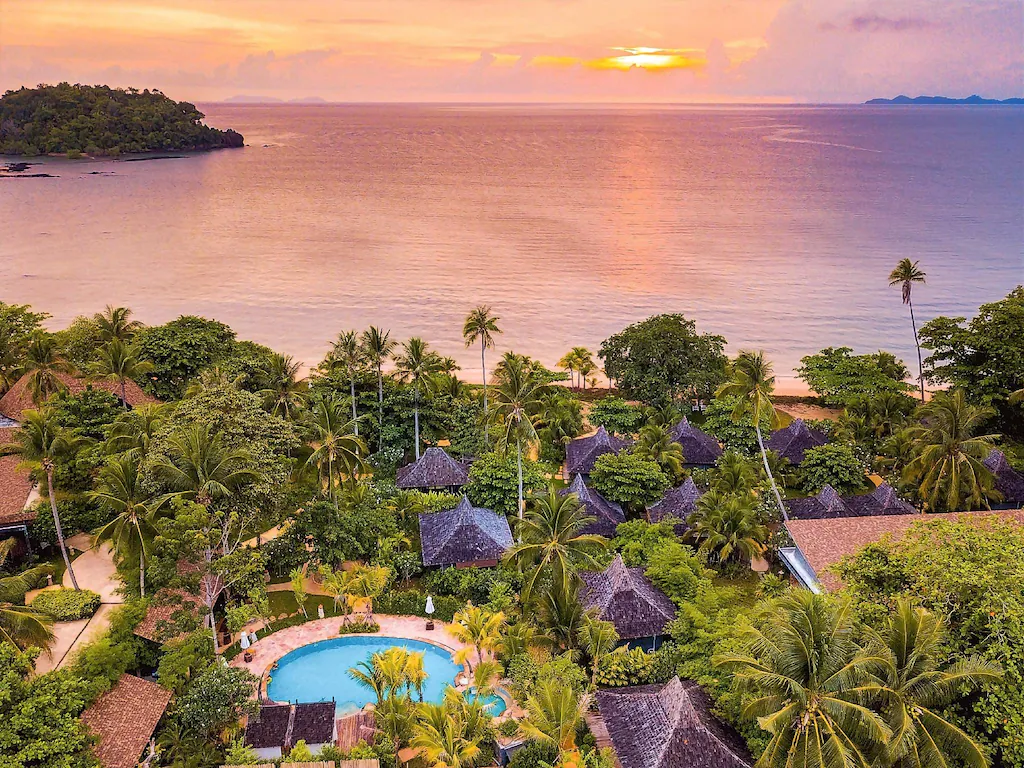
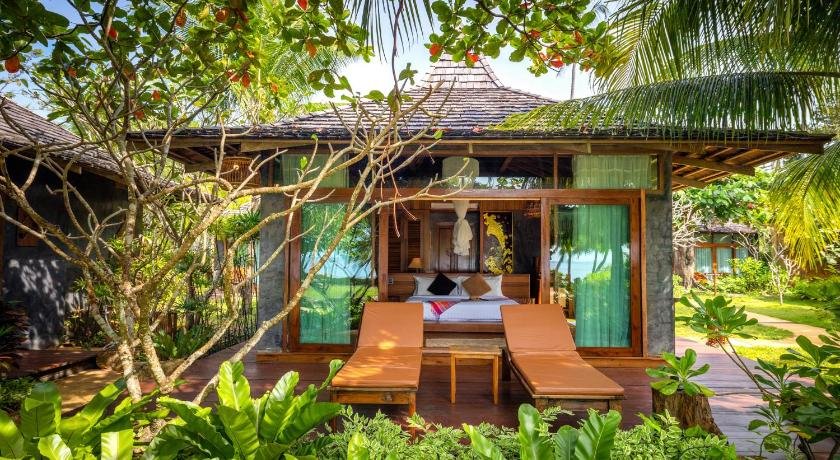
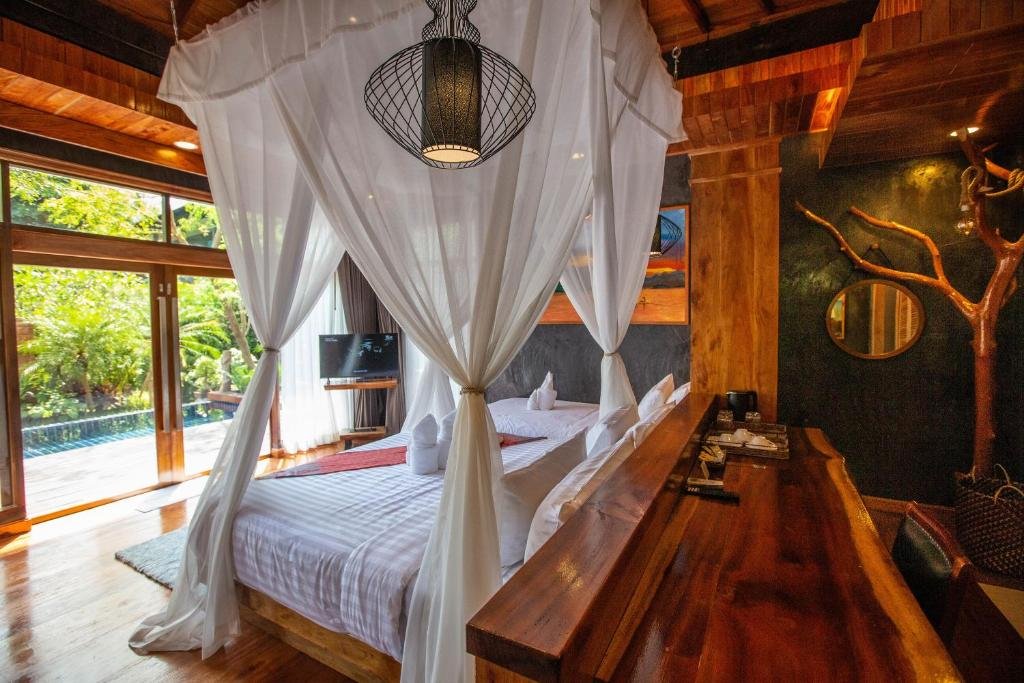
I stayed at the Le Dugong Libong Resort on the beachfront of the west side of the island and absolutely loved it. This all-bungalow property has both air-conditioned and fan rooms, and all units have a seaview. My recommendation is to take the Deluxe Bungalows. These fan-only bungalows sit a mere 5 – 10 meters to the water on the beach and have a wonderful covered porch area for you to enjoy the sea breeze or watch the sunset in the evenings – they typically run about $40 – $45USD per night, and include breakfast. Their most economical accommodations are the Seaview Bungalows (about $28 – 30USD per night) which sit a bit further back and are not as luxurious as the Deluxe Bungalows, but still are part of a lovely property overall. The staff are amazing, and the restaurant and bar prices are among the lowest of the resort properties on the main tourist beach on Koh Libong. The property has a few watercraft like a couple of kayaks and a SUP that guests can use for free.
Luxury
Ornately decorated air-conditioned rooms as well as a pool are a feature of the most luxurious resort on Koh Libong the Anadalay Beach Resort. The resort has ample sunloungers as well as watercraft such as SUPs and kayaks available for guest use.
Transportation
Koh Libong can be reached by seasonal fast ferries on Tigerline from Koh Ngai, and also by ferry from Hat Yao Pier on the mainland. You can also book combined transfers (car-ferry) transfers from Koh Ngai (read my review of this transfer), and Koh Kradan.
Once you’re on the island, the best way to get around would be by hiring a tuk-tuk driver (50 – 150Baht depending on where you are going), or by renting a scooter (daily rentals range from 250 – 300Baht per day).
Dining
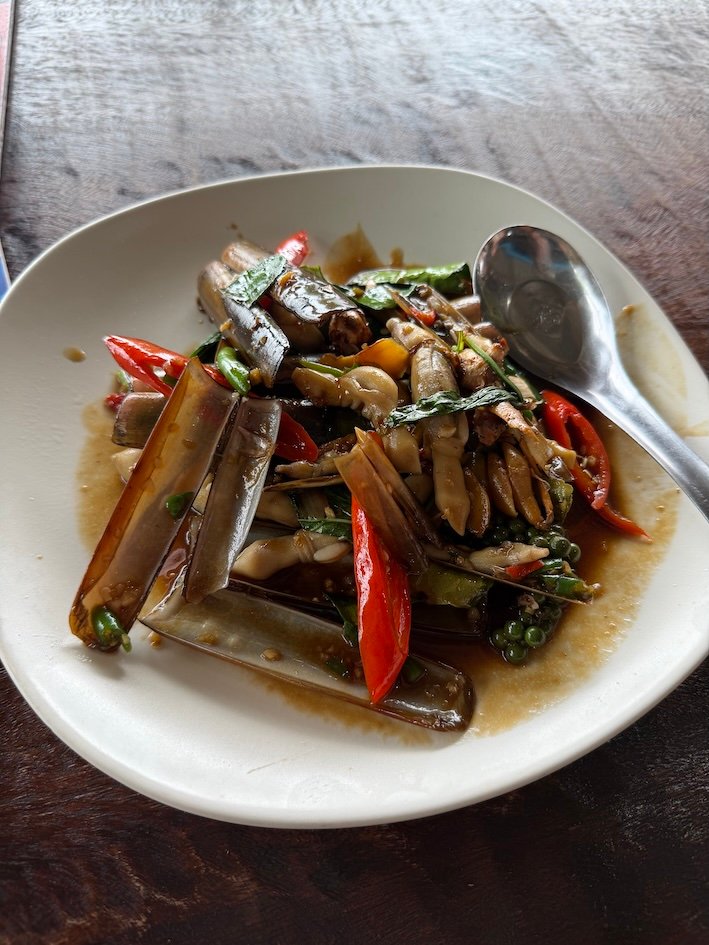
I really enjoyed dining at the small Muslim village near the main resort area on the west side of the island. The meals were often half of what it cost to dine in the resort area, and I enjoyed chatting with the friendly locals! Ja Nhai Seafood on the stilted Muslim fishing village on the East side of the island has the best seafood that I found on the island.
Final Thoughts on Koh Libong
Koh Libong differs from the other Paradise islands of Trang Province in that it has a thriving local population in addition to beautiful beaches. This is a great island to visit if you want to visit some local communities, see unique landscapes only available on a slightly larger island, and also have plenty of beach time. If the local Tigerline fast ferries between Koh Ngai and Pak Meng Pier are running direct to Ko Libong – it only takes about 1 hour to get to the island. If the fast ferries are not running, or you don’t mind being on board some local ferries, and ground-based transportation, the combination transfers (car-ferry) available to book on 12Go are also excellent – at least from my experience. The fact that Koh Libong is a little out of the way and considered more of a local island means that that it’s quieter than its tourist-only cousins of Koh Kradan and Koh Ngai – making the experience of visiting the island more peaceful, less expensive, and more authentic.