

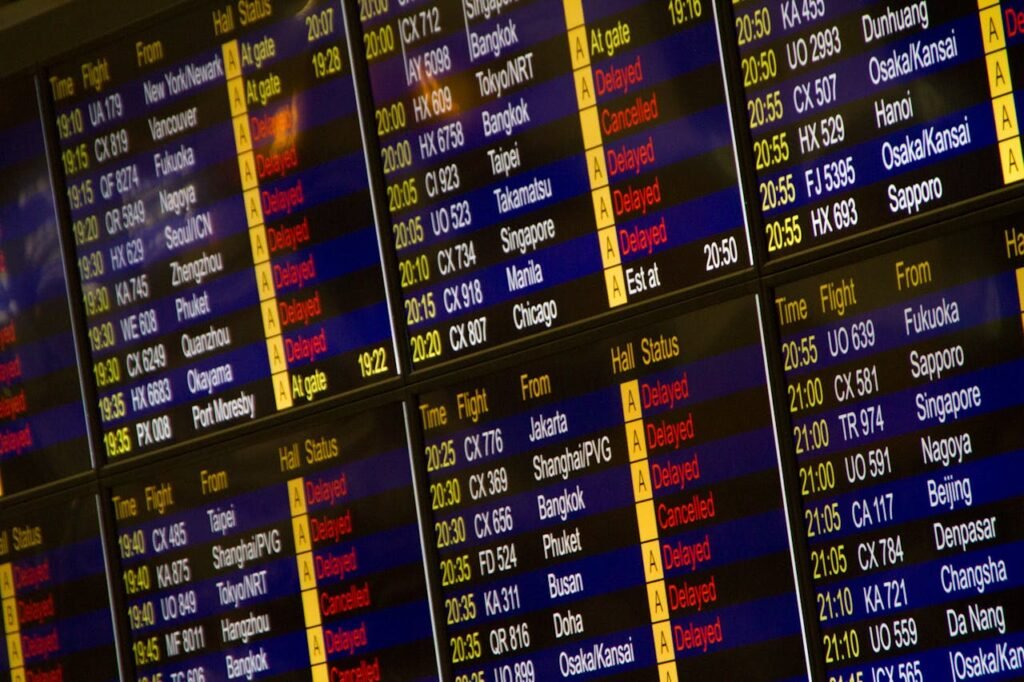
We’ve all been there. A flight delay has caused that nice 2 hour layover you thought was enough of a buffer when you first booked the flight; to suddenly shrunk to a 10 minute gap for you to get across some massive airport to catch your next flight. This blog post will outline what to do if you miss a connecting flight.
Unless you lost track of time at the duty-free while your flight took off; missing a connecting flight is generally going to be something out of your control. Your earlier flight can be delayed for a multitude of reasons: weather, technical issues with the plane… I’ve once sat on the tarmac 20 feet from the airport for nearly 2 hours while my comfortable 1.5 hour layover disappeared before my eyes because the right ground crew was not available to marshal the plane to the airport.
Content:
- Your rights when a connecting flight is missed
- What to do while on your originating flight
- What to do as soon as you get off the plane
- What to do once you arrive after your late connecting flight
- Best practices for avoiding missed connecting flights in the first place
- Final thoughts on what to do if you missing a connecting flight
Your rights when a connecting flight is missed:
When a passenger misses a connecting flight due to a delay or cancellation on an earlier leg – assuming the flights were booked as a single ticket – in most cases, the airline that sold the itinerary is responsible for rebooking the passenger to their final destination at no additional cost, regardless of whether the delay was caused by technical problems, weather, air traffic control, or other operational issues. Rebooking to the final destination is the core right that applies almost universally when the missed connection is not the passenger’s fault.
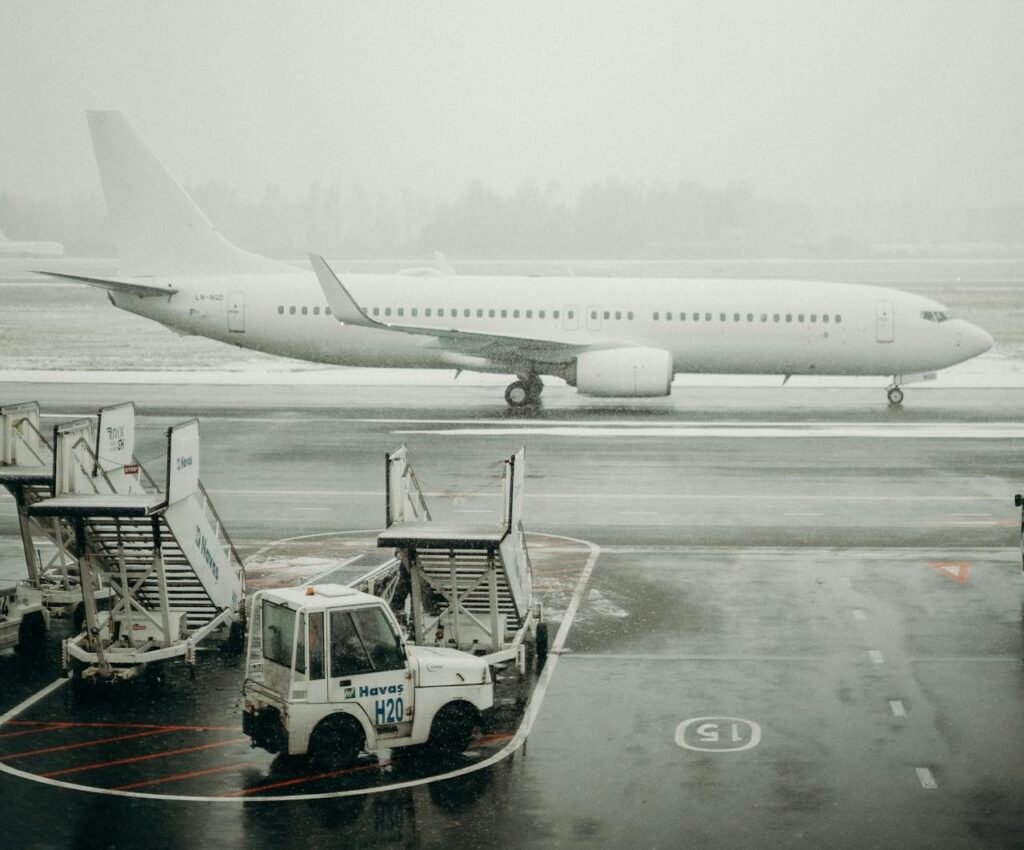
The cause of the disruption becomes most relevant when determining eligibility for compensation. Delays within the airline’s control—such as mechanical issues, crew shortages, or aircraft rotation problems—often trigger eligibility for cash compensation, while events outside the airline’s control, including severe weather or air traffic control restrictions, generally do not. Even when compensation is not owed, airlines are typically still required to provide reasonable care, such as meals, accommodation, and communication, during long delays, depending on local regulations.
Jurisdiction plays a critical role in how these rights are enforced. Under EU and UK passenger rights regulations, travellers who arrive at their final destination three hours or more late due to airline-controlled issues may be entitled to fixed compensation generally between 200 – 600 Euros in addition to care and rebooking. Canada also offers similar compensation: $400 – 1000 CAD for delays of over 3 hours when the issue was deemed within the airline’s control; along with the rebooking requirement. In all cases, travelers should seek rebooking as soon as possible, keep documentation and receipts, and pursue any eligible compensation after completing their journey.
What to do while in your originating flight:
If your originating flight is delayed long enough and you suspect you’ll miss your connecting flight, you can consult with the flight attendants on your flight to see what your options are.
When an originating flight is delayed, pilots will often try to make up time in-flight to try to get passengers to their destination and connecting flights on time – so don’t lose hope – I’ve experienced pilots erasing a 1 hour delay in the air turning a 5 hour flight into a 4 hour flight – so it is possible to make up time even on shorter-length flights.
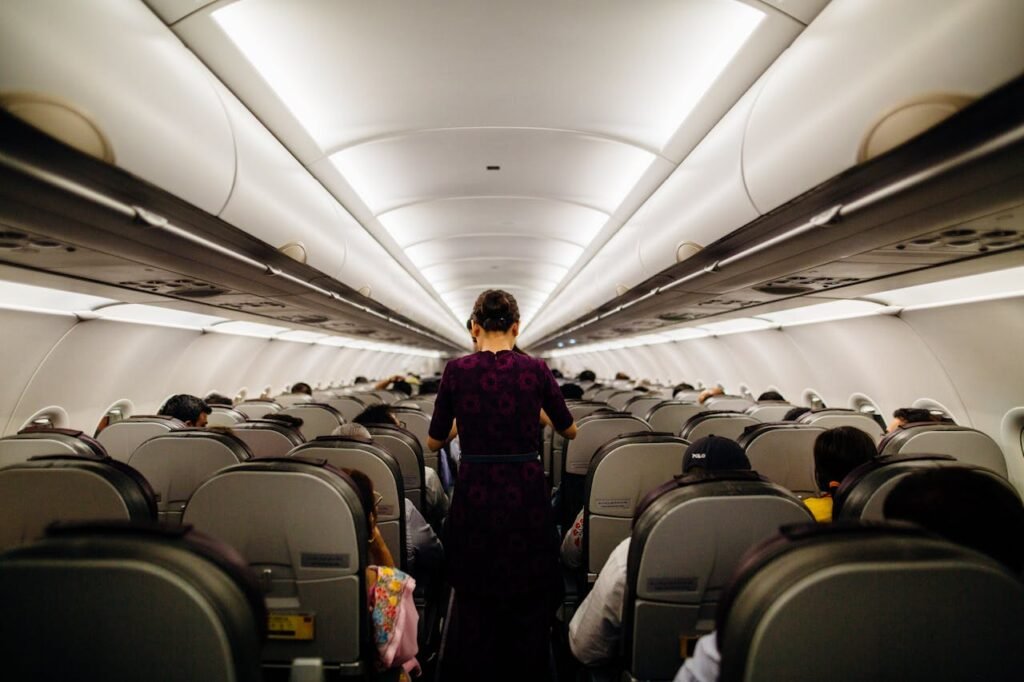
The flight attendants can also make an announcement when the plane is about the to land to ask other passengers without a connecting flight to please let those with tight connections to leave first. If the flight is not very full, you can also inquire with the flight attendants about moving closer to the front of the plane for landing so it’s easier for you to get out of the plane once it lands. Try storing any items from the overhead bins in the seat in front of you if possible, as opening the overhead bins will waste precious moments. Unfortunately, even with an announcement, not all passengers will be kind of enough not to get in your way while you try to rush for a tight connection.
What to do as soon as you get off the plane:
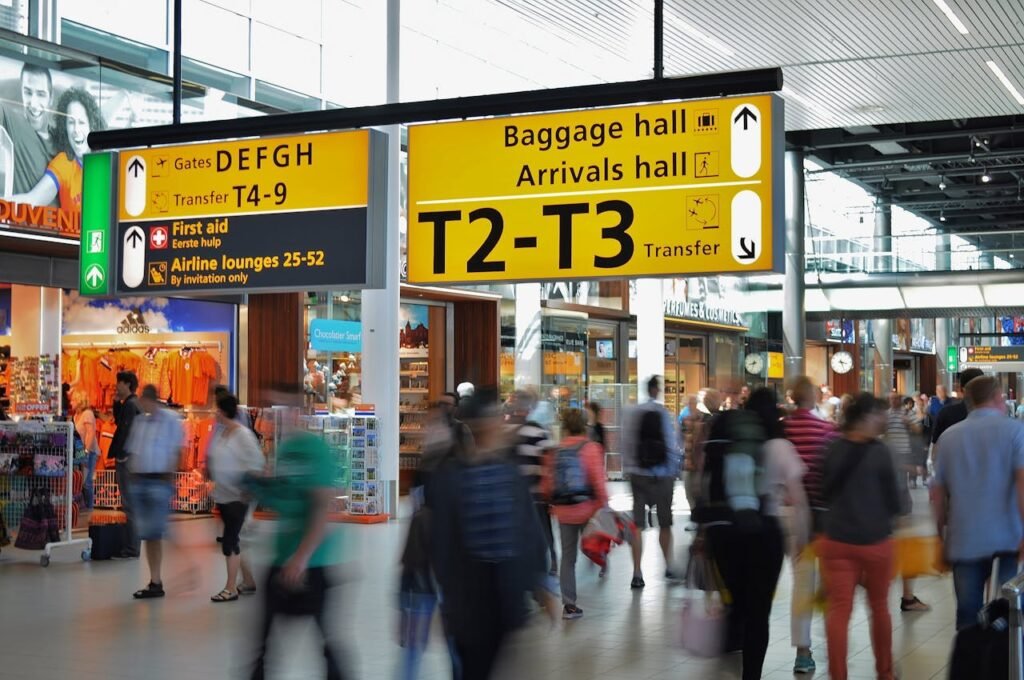
If your connecting flight hasn’t left yet when your plane lands, you should try to hustle to make it – even if you only have a few minutes before the scheduled departure time. The airlines will know who have tight connections and when possible, will try to hold the out-going flight to let those passengers make the connection whenever possible – but they’re not going to hold it forever, so still hustle! If you get to the gate and the flight has left; you can then work with the airline employees at that gate to figure out what next steps are.
At times, the incoming flight is so delayed that everyone will have missed their connections by time the flight lands. In those cases, there could a large number of people who will need to be re-booked – in those cases, hustle to the re-booking desk, as a massive line may form – which could also mean that the better rebooking options on alternate flights could be gone the farther back you are in the line.
Note that some airlines actually have excellent mobile customer service options on their apps for rebooking flights – so if you find yourself in the middle of a massive line of customers with missed connections; it wouldn’t hurt to check in to see if you can just get everything rebooked with an airline agent via messaging in the airline’s app while waiting in line. I’ve done this with United’s messaging app numerous times and was often able to rebook my flight while waiting in line for a flight rebooking – the best part when an airline offers a messaging option is that don’t have to wait on the phone to get connected to a representative.
What to do once you arrive after your late connecting flight:
If you believe you are entitled to compensation after a connecting flight I recommend taking screenshots on Google of when the flight actually arrived to document the delay. I also take photos of the flight screens at the airport showing the delay just for some additional documentation. Make sure you keep all your boarding passes – or take photos of them – as this documentation is required for a flight delay compensation request.
Best practices to avoid missing connecting flights in the first place:
While missed connecting flights are just a normal reality of air travel, there are a few best practices you can put in place when making your flight plans that might help you limit the number of times you end up in a situation with a missed connecting flight.
Make sure your layover is long enough
The easiest and most obvious way to avoid being a situation of a missed connecting flight is simply to select flights that have a long enough layover. If you have a long-haul flight after a connecting flight, it’s always a good idea to leave a connecting window of at least 3 hours or longer. A 3 hour+ window allows you to still comfortably make your next flight even if there are slight delays or even longer 1-2 hour delays (which are generally rarer). If you’re open to a little more risk, 2 hour connections are generally fine, but anything less than than that – especially for a long-haul flight is playing with fire. I never book flights with connections of less than an hour – it is just too stressful to know that even a small delay could mean you miss your next flight.

Avoid connections at airports known to experience inclement weather
This generally applies more in the winter than other seasons, but avoiding connections at airports that typically experience inclement weather can save you a lot of stress when it comes to making your connections. A significant number of the delays and missed connections I have experienced in the past have been a result of inclement weather so if there’s a choice between where you connect – choose the airport that is less likely to experience severe weather events.
Final thoughts on what to do if you miss a connecting flight:
Missed connections are an inevitable and normal part of air travel. If it happens to you, try to keep a cool head. Getting upset is not going to get you where you need to go any faster. Being strategic about steps you can take during your flight – like seeing if you can get seated further up for landing, and storing your items in the seat in front of your instead of in the overhead bins, could make a difference on whether or not you make a tight connection.
If you do end up missing your connecting flight, being strategic about getting in line to be rebooked quickly and/or using an airline’s mobile app to try to get re-booked if the line is very long are both strategic ways that can get you on your way more quickly.
Look into whether your delay qualifies you for compensation. On a number of occasions, a delayed flight/missed connection actually compensated me for the entire cost of my flight ticket – so it ended up being a free flight! Sure, I would have preferred not to have been inconvenienced, but airlines these days can be surprisingly generous with delayed and missed flight compensation.
Finally, try to make the best of the situation. If you end up having to stay an unexpected night in your layover location, and the airline’s paying for it; think of it as an all-expense paid night at a nice hotel that came your way. Relax, the next day will come and you’ll be on your way soon enough.